Sweet Red Christmas House Cookie Kawaii Review
As a designer who has stitched out thousands of holiday motifs, I approach every new machine embroidery design with a mix of optimism and skepticism. We have all downloaded files that look perfect on screen but turn into thread nests or distorted shapes once the needle hits the fabric. When evaluating the Sweet Red Christmas House Cookie Kawaii graphic for potential embroidery adaptation, my primary focus is on translatability. Does this illustration possess the structural integrity required for stitching, or is it merely a pretty digital image? This review breaks down the practical realities of using this kawaii-style asset for real-world projects, from custom apparel to boutique merchandise.
First Impressions: Visual Weight and Stitch Potential
My initial assessment of Sweet Red Christmas House Cookie Kawaii centers on its silhouette and color blocking. In the realm of Illustrations and Graphics, kawaii aesthetics rely heavily on bold outlines and simplified features. For an embroiderer, this is generally a positive sign. Complex shading often requires excessive stitch density, which can pucker lightweight fabrics. However, this design’s reliance on solid red fields suggests it will likely perform best as either a dense fill stitch area or, ideally, an applique design.
The "cookie" aspect implies a textured edge. If the original graphic includes a scalloped or crumbly border, you must verify if the digitizing captures this with a clean satin stitch or a specialized edge finish. A jagged digital line does not always translate to a smooth embroidered edge. Visually, the mood is undeniably nostalgic and playful, making it an instant candidate for holiday embroidery projects aimed at younger demographics or those seeking cozy, cottage-core aesthetics. The shape appears compact, which is excellent for maintaining registration when stitching on unstable fabrics like knit sweatshirts.
Real-World Application: The Holiday Tote Bag Test
To truly judge this asset, I mentally placed it in a specific production scenario: creating a batch of canvas tote bags for a local craft fair. Tote bags are high-visibility items where design clarity matters. For a tote bag design, Sweet Red Christmas House Cookie Kawaii offers strong contrast against natural or cream-colored canvas. The bold red house shape would serve as a central focal point without requiring excessive text, which keeps production time down.
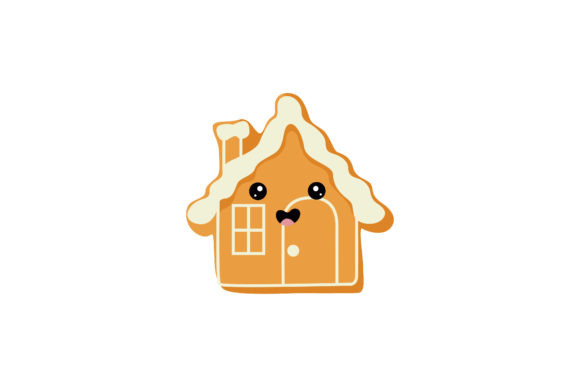
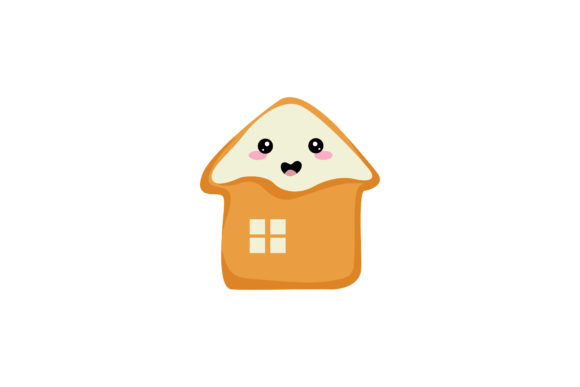
In this scenario, I would treat the main body of the house as an applique using red felt or cotton twill. This reduces stitch count significantly compared to a full fill stitch, keeping the bag flexible rather than stiff and bulletproof. The facial features and window details would then be stitched on top using a running stitch or light satin columns. This combination ensures the finished product remains functional and washable. Customers at craft fairs often touch items before buying; a design that feels soft and integrated sells better than one that feels like a plastic patch glued to the fabric. This graphic’s simplicity supports that tactile quality, making it a viable option for Etsy seller listings focused on handmade holiday gifts.
Navigating Fabric Limitations and Hoop Constraints
While the design is versatile, it demands respect for fabric physics. If you are planning sweatshirt embroidery, the stretchiness of fleece or French terry is your biggest adversary. The solid red areas in Sweet Red Christmas House Cookie Kawaii could cause tunneling if the stabilizer choice is inadequate. I recommend a medium-weight cutaway stabilizer for any stretchy custom apparel to prevent the design from distorting after washing.
Be cautious when scaling this design down for baby embroidery or small cuffs. Kawaii faces often feature tiny eyes and mouths. If the hoop size forces you to shrink the design below three inches, those delicate details may become lost or cause needle breaks. Always check the minimum safe size for the specific embroidery file you are using. Conversely, on textured fabrics like terry cloth towels, the fine details of the cookie texture might get swallowed. In such cases, adding a knockdown stitch layer beneath the design is essential to create a smooth platform for the thread colors to shine. Dark fabrics also present a challenge; ensure the red thread has enough opacity or use a white underlay to prevent the dark fabric from bleeding through the stitches, which would muddy the vibrant holiday aesthetic.
Commercial Viability and Brand Consistency
For creative entrepreneurs and small shop product developers, consistency is key. Sweet Red Christmas House Cookie Kawaii has a distinct personality that pairs well with other bakery-themed or winter-cottage graphics. If you are building a collection, this design anchors the "sweet" theme effectively. However, before listing any personalized gift or commercial item, you must rigorously verify the licensing terms associated with the digital embroidery file. Never assume a graphic labeled "kawaii" is free for commercial resale.
From a marketing perspective, this design photographs exceptionally well. The high contrast between the sweet red tones and typical holiday backgrounds makes for engaging printable mockup content. When customers browse your shop, they need to instantly recognize the theme. This graphic communicates "Christmas" and "cute" within milliseconds, reducing bounce rates on product pages. For commercial embroidery businesses doing contract work, this style is generally safe and universally appealing, avoiding controversial or overly niche imagery that might alienate corporate clients looking for family-friendly holiday swag.
Critical Pre-Stitch Checklist for Makers
Before committing this design to a final handmade product, run through this practical evaluation list to protect your materials and reputation:
- Test on Scrap Fabric: Never stitch directly on a final garment first. Use a scrap of the exact same material and fabric texture to check for puckering or registration issues.
- Verify Thread Contrast: View your thread colors in natural light. Screen reds often differ from physical rayon or polyester threads. Ensure the red doesn't blend into pink or orange fabrics unintentionally.
- Check Stitch Density: Inspect the file in your editing software. If the red fill exceeds 0.4mm spacing on lightweight fabric, consider reducing density or switching to applique to avoid stiffness.
- Mockup in Black and White: Convert your preview to grayscale. If the design loses definition without color, the contrast values are too low for reliable embroidery on varied backgrounds.
- Confirm Licensing: Double-check whether the design assets allow for physical product sales versus digital redistribution. Documentation protects your craft business from future disputes.
- Evaluate Small Details: Zoom in to 200%. Are the kawaii face elements open stitches or closed satins? Open running stitches are safer for small sizes; closed satins may require resizing.
Final Thoughts on Design Integrity
Sweet Red Christmas House Cookie Kawaii represents a strong intersection of digital charm and embroidery potential, provided the maker approaches it with technical mindfulness. It is not merely a cute picture; it is a blueprint for a tangible object that must withstand wear, washing, and customer scrutiny. Whether you are creating an embroidered patch for denim jackets or a delicate nursery pillow, success lies in respecting the relationship between the digital art and the physical thread. By prioritizing proper stabilization, appropriate sizing, and fabric compatibility, this design can elevate your holiday catalog from generic to genuinely professional. Always let the limitations of the medium guide your creative decisions, ensuring that the sweetness of the design survives the transition from screen to stitch.