Christmas Glove Cookie Kawaii Design Review
As a professional embroidery designer and product reviewer, I approach every new graphic with a specific question: will this actually stitch out cleanly on a finished product? When evaluating the Christmas Glove Cookie Kawaii Design, my focus shifts immediately from digital aesthetics to practical application. This illustration captures a distinct mood that blends traditional holiday baking nostalgia with modern, playful charm. For makers, Etsy sellers, and apparel decorators, understanding how this specific aesthetic translates into thread is crucial for creating high-value merchandise.
First Impressions and Visual Personality
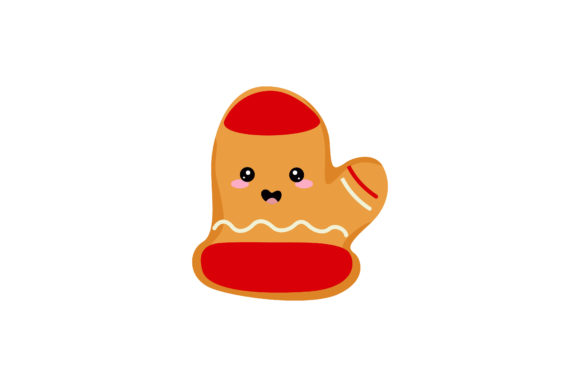
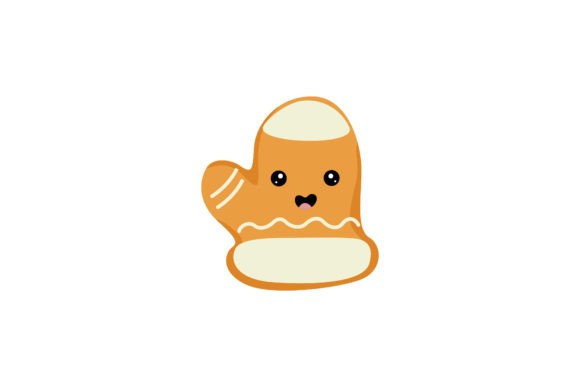
The initial appeal of this design lies in its softness. Unlike rigid, geometric holiday graphics, the kawaii style relies on rounded edges, expressive simplicity, and a sense of warmth. As an illustration intended for embroidery, it suggests a balance between detail and readability. The shape of a Christmas glove cookie naturally lends itself to specific stitch types. I immediately visualize a combination of smooth satin stitch borders to define the mitten silhouette and lighter fill stitches for the interior texture.
This visual personality dictates where the design belongs. It does not feel appropriate for corporate branding or formal wear. Instead, it screams handmade product, personalized gift, and boutique merchandise. The "kawaii" element implies a target demographic that appreciates cute, cozy, and whimsical items. When reviewing this as a potential asset for a craft business, I see it fitting perfectly into nursery decor, baby embroidery projects, or lighthearted custom apparel like sweatshirts and tote bags. The design’s inherent friendliness builds instant emotional connection, which is vital for buyer engagement on platforms like Etsy.
Real-World Application: Stitching a Holiday Tote Bag
To truly evaluate this machine embroidery design, I mentally place it in a real-life scenario. Let us consider preparing a custom embroidered tote bag for a holiday market. A tote bag offers a stable, medium-weight canvas that is ideal for testing stitch density and color contrast. In this context, the Christmas Glove Cookie Kawaii Design serves as a focal point rather than a background element.
When stitching this onto natural cotton canvas, the kawaii face details require precision. If the eyes or mouth are too small, they risk getting lost in the fabric texture or pulling the material. I would look for an embroidery file that utilizes clean running stitch outlines for facial features rather than dense satin columns, which can perforate the fabric. For the cookie body itself, a textured fill stitch mimics the look of baked sugar better than a flat tatami fill. This attention to texture elevates the finished product from a generic graphic to a tactile piece of art.
For an Etsy seller, this specific application demonstrates value. Customers are not just buying a bag; they are buying a feeling. The successful execution of this design on a tote bag proves that the digitizing respects the medium. It also highlights the importance of checking whether the design works as a standalone centerpiece or if it requires additional elements like holly or snowflakes to balance the composition within the hoop size.
Navigating Fabric Challenges and Limitations
While the Christmas Glove Cookie Kawaii Design is versatile, it demands careful consideration regarding substrate choice. Kawaii designs often rely on clear, bold outlines to maintain their character. On highly textured fabrics like terry cloth or fleece, those delicate outline stitches can sink and disappear. If you plan to use this for kitchen towels or blankets, you must employ a water-soluble topping stabilizer to keep the stitches crisp and visible.
Stretchy fabrics present another hurdle. If applying this to a baby onesie or a knit sweatshirt, the stitch density becomes a critical factor. A design that is too dense will cause puckering or create a stiff, bulletproof patch effect that ruins the garment's drape. I always advise testing the embroidery file on a scrap of the exact fabric first. For stretchy materials, a cutaway stabilizer is non-negotiable to prevent distortion during the stitching process and subsequent washing.
Dark fabrics also require scrutiny. Kawaii aesthetics typically utilize pastel or bright thread colors. Placing light pink or cream stitches directly onto navy or black fabric without an underlay can result in the fabric showing through, muddying the design. Ensure the digitization includes a proper white underlay base, or be prepared to add one manually. Without this step, the visual clarity suffers, and the professional quality of your commercial embroidery project diminishes.
Commercial Viability and Product Value
For creative entrepreneurs and small shop owners, the viability of a design extends beyond how it looks in software. It must translate to sales. The Christmas Glove Cookie Kawaii Design has strong potential for seasonal merchandise because it bridges the gap between traditional holiday motifs and current trends. However, its commercial success depends on presentation.
When creating printable mockups or digital product previews, ensure the lighting reflects the actual texture of embroidery. Flat digital renders can be misleading. Buyers need to see how the satin stitch shines and how the fill stitch interacts with the fabric grain. This transparency builds customer trust and reduces returns. Furthermore, if you are selling the digital embroidery file itself, clearly state the recommended hoop size and skill level. Not all hobbyists have multi-needle machines or extensive stabilizer collections. Providing accurate usage notes protects your reputation as a seller.
Brand consistency is another factor. If your shop specializes in minimalist, modern line art, this kawaii design might clash with your existing catalog. Conversely, if your brand focuses on whimsical, cottage-core, or kid-centric items, this design reinforces your niche. Always verify licensing terms before using any design asset for commercial purposes. Confirm whether you can sell finished products, digital files, or both. Respecting intellectual property is foundational to a sustainable craft business.
Essential Designer Notes for Success
Before committing this design to a production run or a client commission, adhere to these practical checkpoints:
- Test Stitch First: Never skip the test run on scrap fabric. Verify that small details like the glove’s thumb or facial features register correctly at your intended size.
- Evaluate Thread Contrast: Check thread colors against both light and dark backgrounds. Kawaii designs fail when outlines blend into the fabric.
- Review Stabilizer Pairings: Match your stabilizer to the fabric weight. Use tear-away for stable wovens and cutaway for knits or stretchy apparel.
- Inspect Small Text: If the design includes text like "Sweet" or "Xmas," ensure it remains legible. Tiny lettering often requires font substitution or simplification for embroidery.
- Check Hoop Compatibility: Confirm the design dimensions fit your machine’s maximum stitch area without requiring excessive re-hooping or alignment.
- Verify Washability: If intended for baby clothes or tea towels, test wash the sample. Ensure the stitch density holds up without fraying or distorting.
- Mockup Realism: Create mockups that show the design on the actual product type, such as a curved cap or a draped sweatshirt, to give buyers realistic expectations.
Final Thoughts on Design Utility
The Christmas Glove Cookie Kawaii Design represents more than just a seasonal graphic; it is a test of technical proficiency and market awareness. Its success in real-world applications hinges on respecting the limitations of thread and fabric while leveraging its inherent emotional appeal. Whether you are creating a personalized gift for a loved one or stocking your Etsy shop for the holiday rush, approaching this design with a critical, maker-focused mindset ensures the final result is as delightful in hand as it is on screen. By prioritizing stitch quality, fabric compatibility, and honest presentation, you transform a simple illustration into a professional-grade embroidery asset that resonates with buyers and recipients alike.