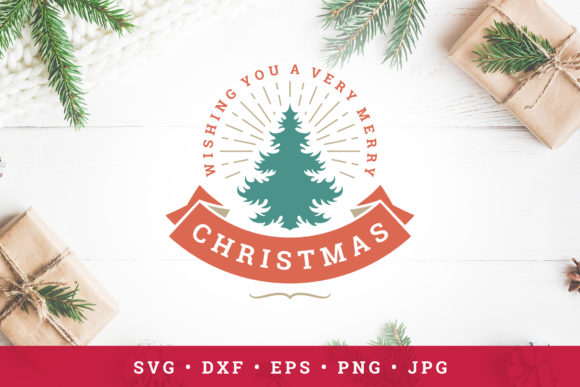
Christmas Saying Design with Tree: A Stitch Test
Evaluating Vintage Typography for Real Embroidery Projects
When I first opened the Christmas Saying Design with Tree file, I wasn't just looking at a digital graphic; I was mentally mapping out stitch paths. As an embroidery designer and product reviewer, my immediate concern is always translation. A vector illustration might look crisp on a screen, but will those vintage typographic curves hold up when converted into thousands of stitches? This specific design, featuring a "Merry Christmas" saying with ornament decoration, strikes a nostalgic chord that is currently dominating the handmade market. However, for those of us running a craft business or managing an Etsy shop, aesthetic appeal is only half the battle. The other half is structural integrity.
The mood of this design is undeniably warm and traditional. It leans heavily into vintage typography, which suggests a need for careful digitizing to maintain legibility. When evaluating this as a potential machine embroidery design, I look for balance between the text and the tree element. In many graphics categorized under Illustrations, the text can sometimes overpower the icon, or vice versa. Here, the integration feels intentional, making it a strong candidate for holiday merchandise where readability and festive spirit must coexist.
The Sweatshirt Test: A Real-World Application Scenario
To truly judge the viability of this Christmas Saying Design with Tree, I approached it with a specific project in mind: a heavyweight cotton fleece sweatshirt intended for a small boutique collection. Sweatshirts are a staple for custom apparel, but they present unique challenges due to fabric texture and stretch.
In this scenario, the vintage typographic text requires precision. If the letters are too thin, they risk getting lost in the fleece nap. If they are too dense, they create a bulletproof patch that distorts the garment. Reviewing the design assets, I considered how a satin stitch would perform on the ornamental details versus a fill stitch for the tree body. For a sweatshirt, I would likely recommend testing a slightly thicker column width for the lettering to ensure it pops against the textured background. The ornament decoration serves as a perfect anchor point, allowing for color changes that can add depth without increasing stitch density to unmanageable levels.
From a customer perspective, this design offers high perceived value. It doesn't look like generic clip art; it looks like a curated handmade product. When listing this as a finished item, the vintage aesthetic justifies a higher price point compared to standard block-letter holiday gear. However, achieving that professional finish depends entirely on respecting the relationship between the design and the substrate.
Where Caution is Required: Fabric and Hoop Limitations
While the Christmas Saying Design with Tree is versatile, it is not immune to physical limitations. Based on the complexity typical of vintage typographic designs, there are specific environments where I would advise caution.
- Small Hoop Sizes: Vintage fonts often contain intricate serifs and swashes. Reducing this design to fit a 4x4 hoop may cause these details to merge during stitching. Always verify the minimum safe size before attempting to resize.
- Stretchy Performance Fabrics: If you plan to use this for activewear or thin knits, the density of the tree and text combination could cause puckering. A cutaway stabilizer is non-negotiable here, and you may need to reduce density manually.
- Curved Surfaces: Applying this to caps or curved tote bags requires careful placement. The horizontal alignment of the "Merry Christmas" text must be perfectly centered, or the vintage charm turns into a crooked mistake.
- Dark Fabrics: While the description notes cut files work on any vinyl color, embroidery relies on thread contrast. On dark fabrics, ensure the thread colors chosen provide enough luminance to make the vintage details visible. White or cream text on navy is classic; dark green on black is a disaster.
I would also hesitate to use this design on items requiring frequent industrial washing, such as commercial aprons or baby bibs, unless the digitization has been specifically tested for durability. Vintage aesthetics often prioritize beauty over ruggedness, and delicate running stitches in the ornament details could snag or fray over time.
Visual Impact and Commercial Viability for Sellers
For Etsy sellers and creative entrepreneurs, the visual presentation of this design directly influences buyer engagement. The combination of text and botanical elements creates a complete composition that doesn't require additional embellishment. This efficiency is valuable when designing printable mockups or digital product previews. A well-balanced design reduces the need for excessive editing in marketing photos, saving time and maintaining brand consistency.
However, professionalism lies in the execution. When offering this as part of a personalized gift service, consider how the vintage style pairs with modern personalization. Adding a name below the tree in a matching font can elevate the item from a generic holiday decoration to a cherished keepsake. Conversely, mixing clashing modern fonts with this vintage template can devalue the final product. Stick to complementary typefaces to preserve the design's integrity.
For those selling digital embroidery files rather than finished goods, transparency is key. Clearly state the tested fabrics and recommended stabilizers in your listing. Buyers trust sellers who acknowledge the practical realities of stitching. If this design works best as an applique design rather than full embroidery, say so. Honesty about performance builds long-term customer loyalty far better than overpromising versatility.
Designer Notes: Pre-Stitch Checklist
Before committing the Christmas Saying Design with Tree to a final embroidery project, run through this practical checklist to ensure success:
- Test on Scrap Fabric First: Never stitch directly onto a sellable item without a test run. Use a fabric scrap that matches the weight and texture of your final product.
- Verify Licensing: Confirm whether your license covers commercial use for both physical products and digital assets. Terms vary significantly between designers.
- Check Thread Contrast: Print a black and white version of the design to check value contrast. If the tree and text blend together in grayscale, they will likely blend together in thread.
- Inspect Small Details: Zoom in on the ornament decoration and text serifs. If they look jagged or disconnected on screen, they will stitch poorly. Edit or request a revised file if necessary.
- Stabilizer Selection: Match your stabilizer to the fabric, not just the design. Tear-away is rarely sufficient for vintage typography on knit fabrics.
- Mockup Testing: Create mockups on both light and dark backgrounds to visualize the final outcome before production.
Ultimately, the Christmas Saying Design with Tree is a promising asset for holiday collections, provided it is treated with technical respect. Its vintage charm offers a distinct advantage in a saturated market, but that advantage is only realized through proper application. Whether you are creating a tote bag design, a nursery pillow, or a line of holiday sweatshirts, let the practical constraints of embroidery guide your creative decisions. When the technical foundation is solid, the artistic vision shines through, resulting in a finished product that customers are proud to own and makers are proud to sell.