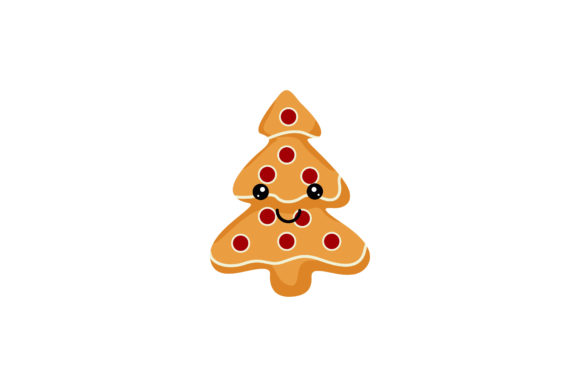
Pretty Christmas Tree Cookie Kawaii: A Stitch Test
When evaluating digital assets for commercial embroidery, the difference between a cute graphic and a viable machine embroidery design often lies in the translation from screen to fabric. As a designer who regularly tests files before adding them to my shop’s catalog or using them for client commissions, I approached the Pretty Christmas Tree Cookie Kawaii with a critical eye. While this asset is categorized under Illustrations and Graphics, its true value for makers depends entirely on how well it digitizes into physical thread. My first impression was positive; the kawaii aesthetic relies on clean lines and balanced proportions, which usually translates well to stitching. However, seeing a vector or raster image is not the same as understanding how it will behave under the needle.
Translating Sweet Aesthetics to Real Fabric
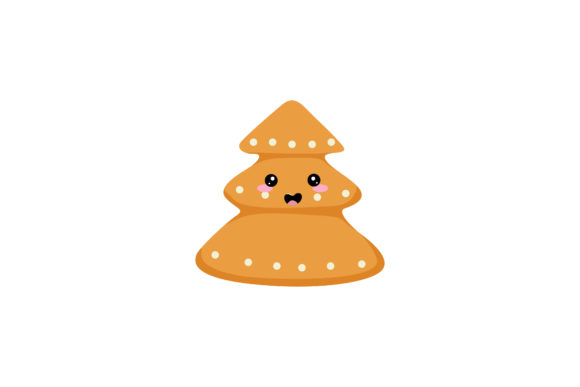
The visual personality of Pretty Christmas Tree Cookie Kawaii is undeniably charming. It evokes nostalgia and warmth, making it an immediate candidate for holiday-themed inventory. The shape is distinct, mimicking the traditional sugar cookie silhouette mentioned in its description, but stylized with that signature kawaii face. For an embroidery designer, this geometry is promising. Rounded edges and centralized focal points are generally safer for registration than sharp, jagged corners that can pull or distort on stretchy fabrics.
In terms of mood, this design bridges the gap between nursery decor and general holiday merchandise. It does not feel overly religious or formal, which broadens its market appeal. When I look at this graphic, I see potential for both satin stitch outlines and fill stitch interiors. The simplicity of the illustration suggests it won't require excessive color changes, keeping production time reasonable for small business owners. However, the "cookie" texture implied by the graphic might tempt digitizers to add complex textures. In my experience, keeping the stitch texture smooth is better for durability, especially if the finished product is intended for children or frequent washing.
Real-World Application: The Holiday Tote Bag Test
To truly judge this design, I mentally placed it in a specific production scenario: creating a batch of canvas tote bags for a local winter market. Tote bags are a staple Etsy seller item, but they present unique challenges due to the coarse weave of canvas and the lack of stretch. For this project, Pretty Christmas Tree Cookie Kawaii serves as an excellent centerpiece.
If I were stitching this out today, I would treat it as a potential applique design rather than a full fill. Using a cream-colored cotton fabric for the "cookie" base against a forest green canvas bag would reduce stitch count significantly while adding tactile depth. This approach respects the source material—after all, real cookies have dimension—and creates a premium handmade product feel. Alternatively, if using it as a standard embroidery file, I would ensure the running stitch outline is bold enough to stand out against the textured canvas. A thin line might get lost in the fabric weave, diminishing the kawaii expression. This specific use case highlights why checking your stabilizer choice is non-negotiable; a medium-weight cutaway would be necessary to prevent the canvas from puckering around the dense cookie shape.
Versatility Across Apparel and Gifts
Beyond tote bags, this illustration has strong legs in the apparel sector. For custom apparel like sweatshirts and t-shirts, the centered composition works perfectly for chest placements. The kawaii style is particularly effective for baby embroidery and toddler wear because the soft shapes read as safe and friendly. When designing for little ones, however, I always advise checking the back of the embroidery. If the design is too dense with fill stitches, it can become stiff and scratchy against sensitive skin. Pretty Christmas Tree Cookie Kawaii appears open enough to avoid this issue, provided the digitizer used appropriate underlay.
For personalized gift items like kitchen towels or aprons, this graphic acts as a versatile anchor. You could easily add a family name below the tree cookie in a complementary font without overcrowding the hoop. This adaptability is crucial for craft businesses that offer customization. The design also lends itself well to embroidered patch creation. Because the silhouette is self-contained and recognizable even at smaller sizes, you could produce patches to sell as add-ons or branding elements for boutique packaging.
Navigating Technical Limitations and Fabric Choices
Despite its versatility, there are environments where Pretty Christmas Tree Cookie Kawaii requires caution. Small hoop sizes are the primary concern. Kawaii designs rely heavily on facial expressions for their charm. If you shrink this design down to fit a 4x4 hoop or a cap frame, the eyes and mouth may merge into indistinguishable blobs of thread. Always verify the minimum size recommendations in your embroidery file metadata before committing to tiny placements.
Fabric texture also dictates success. On high-pile fabrics like terry cloth or fleece, the fine details of the cookie decoration could sink in. In these cases, using a water-soluble topping is essential to keep the stitches visible. Conversely, on very thin or sheer fabrics, the density required to make the cookie look opaque might cause tearing. I would avoid using this specific graphic on lightweight silk or chiffon unless backed with substantial stabilizer and perhaps a fabric backing layer. Dark fabrics present another variable; ensure the thread colors specified in the design provide enough contrast. A dark brown outline on a black sweatshirt will fail visually, whereas a white or gold outline would pop effectively.
Professional Standards for Makers and Sellers
For those selling digital products or finished goods, professionalism hinges on consistency. Before listing any item featuring Pretty Christmas Tree Cookie Kawaii, create a printable mockup and compare it against a real stitch-out. Customers trust sellers whose photos accurately represent the density and sheen of the embroidery. If you are an Etsy seller, mention whether the design is optimized for specific garments in your listing descriptions. Transparency about stitch density and recommended fabrics builds buyer confidence.
Furthermore, consider the licensing. Since this is a graphic asset, confirm whether you have the rights to sell the digitized version, the physical embroidered item, or both. Commercial embroidery rights vary wildly between designers. Never assume that purchasing a graphic grants unlimited usage for digital resale. Protecting your business means respecting intellectual property just as strictly as you manage your stitch quality.
Essential Pre-Stitch Checklist
To ensure your project succeeds, follow this practical workflow before running Pretty Christmas Tree Cookie Kawaii on final merchandise:
- Test on Scrap Fabric: Always stitch on the exact material you plan to use. Canvas behaves differently than jersey knit.
- Verify Stabilizer Pairing: Match the stabilizer weight to the design density and fabric type. Do not guess.
- Check Thread Contrast: View your thread selection in natural light. What looks good on a monitor may lack definition in reality.
- Inspect Small Details: Zoom in on the digital file to identify any jump stitches or gaps that need manual correction.
- Confirm Hoop Size: Ensure the design fits comfortably within your hoop with adequate margin for stabilization.
- Review Licensing: Double-check terms for commercial use, especially if selling on platforms like Etsy or Amazon Handmade.
- Wash Test: If making tea towels or baby items, wash the sample once to check for shrinkage or thread distortion.
Ultimately, Pretty Christmas Tree Cookie Kawaii is a delightful asset with significant commercial potential. Its strength lies in its balance of festive tradition and modern cute aesthetics. By approaching it with technical mindfulness and respecting the relationship between digital art and physical thread, makers can transform this illustration into best-selling holiday products that bring genuine joy to customers. Whether you are crafting a personalized gift or stocking your shop for the season, let practical testing guide your creative decisions.